Nice Paint Job
“Woe to you, teachers of the law and Pharisees, you hypocrites! You are like whitewashed tombs, which look beautiful on the outside but on the inside are full of the bones of the dead and everything unclean. In the same way, on the outside you appear to people as righteous but on the inside you are full of hypocrisy and wickedness.” — Matthew 23:27-28, NIV
You know that feeling when you reach for a perfectly ripe-looking fruit, only to cut into it or peel it open and discover the inside completely black and rotten? I mean that anticipation you get when you imagine the summer peach, wonderfully yellow banana, or fresh fall apple that you know will satisfy your exact craving. You open it up (or bite right in if you are adventurous) only to find the inside brown, mushy, or, worse, crawling with something that was definitely not disclosed on the little sticker label—GROSS!
What a letdown! The outside looked so wonderful in the fruit bowl, but the inside revealed a completely different reality. Unfortunately, no amount of washing, polishing, or scrubbing will change the rotten interior.
I think a little about this idea when I read Jesus’ words to the Pharisees. I love how honest and straightforward Jesus is at times throughout his earthly ministry. Yes, he is compassionate, patient, loving, and gracious, but he is also certainly not afraid to call his disciples dull when they still aren’t grasping things (Mark 7:18, Matthew 15:16). And again, in Matthew 23, he does not hold back the honesty!
Here, Jesus addresses the teachers of the law and the Pharisees: religious leaders who were deeply familiar with Scripture, devoted to religious traditions (the law), and often highly regarded for their outward acts of righteousness. Jesus sees something in the Pharisees that others cannot: their outward devotion did not reflect the condition of their hearts.
The illustration Jesus chooses here is rather graphic—He compares them to whitewashed tombs. In ancient Judea, tombs were marked with a lime-based whitewash, particularly as Passover approached, so that people could recognize them and avoid becoming ceremonially unclean through contact with the dead (see the law of Moses in Numbers 19:11). They were not marked in the ground as they are today, so it was plausible to accidentally wander into or too close to one without recognizing it as a tomb.
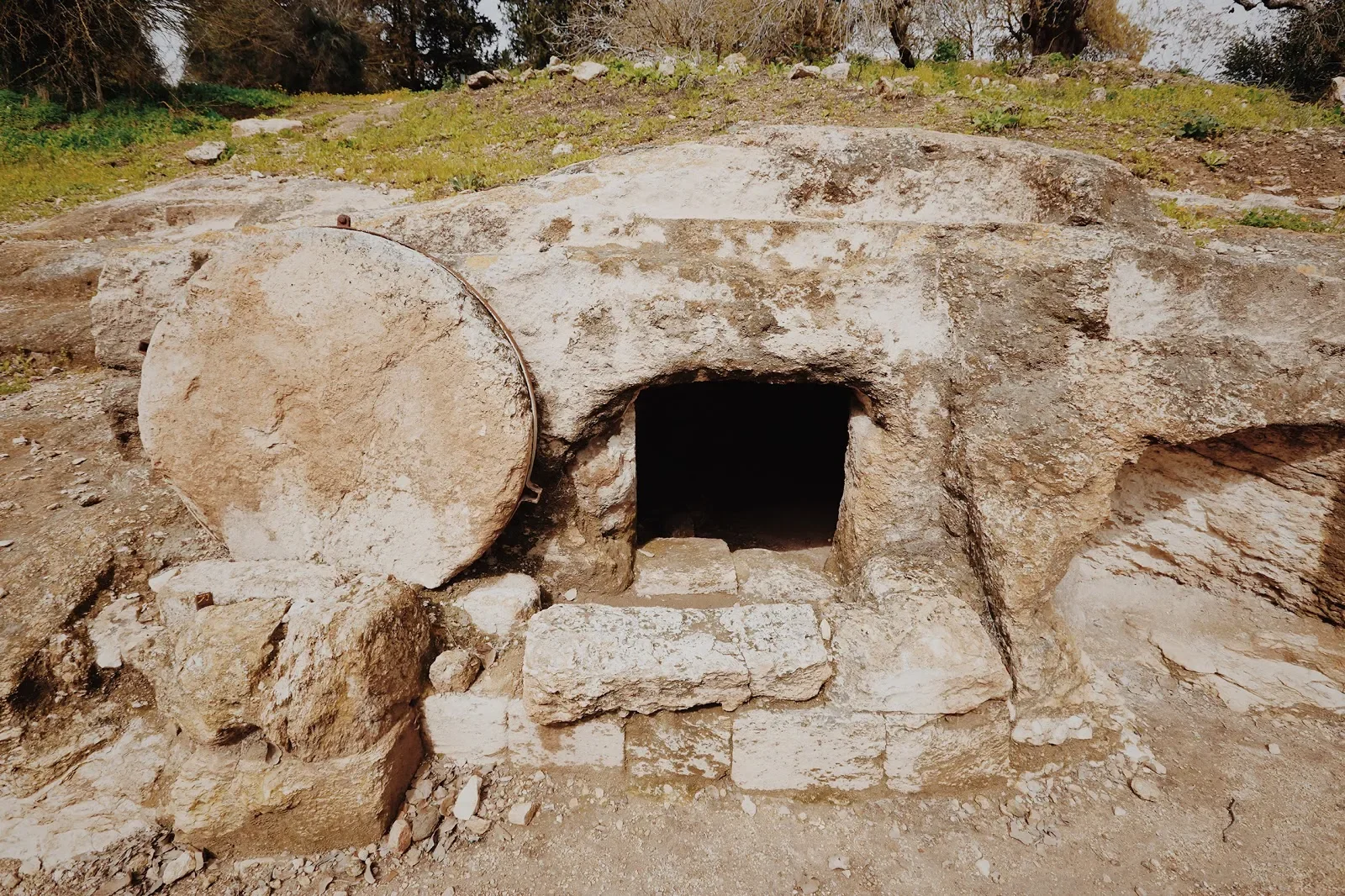
The whitewash, however, made the tombs bright and visible, sometimes even beautiful from the outside—they pulled out all the stops for Passover! But underneath that fresh coat of paint were still the same dead bodies, decay, and dry bones.
I mean, truly, Jesus, that is quite the compliment—I’m sure that went over well! (We know it did not…at all…)
Okay, but let’s really consider what he is saying. These religious leaders had invested tremendous effort into carefully maintaining the appearance of righteousness. They knew every word of the law, practiced all the religious rituals, prayed publicly, and took great care to be seen as holy and devoted to God. Yet Jesus tells them that beneath their impressive exterior were hypocrisy and wickedness.
And this isn’t the first confrontation (or the last)—a few verses earlier, he calls them out for carefully tithing even their smallest spices while completely neglecting the more important matters of the Law: justice, mercy, and faithfulness (Matthew 23:23). He also basically called them terrible busboys—people who meticulously clean the outside of a cup while leaving the inside all dirty: full of greed and self-indulgence (verses 25-26).
The problem wasn’t that the Pharisees obeyed God’s commands or practiced their faith publicly. Jesus explicitly tells them that they should not have neglected the good things they were doing. The problem was that their outward religious activity had become disconnected from the very character of the God they claimed to be serving.
As much as we can enjoy laughing at this bluntness or shaking our heads at the Pharisees (I mean, goodness, they really did miss the point most of the time), I think we need to be careful not to fall into the same temptation.
We can be so consumed with looking good for God that we forget what it means to actually walk with him. We go to church, serve in a ministry, volunteer, maybe lead a Bible study, memorize some Scripture, and become very good at saying all the right “Christian” things. We build our schedules around doing wonderful things in the n’ name while neglecting meaningful time in his presence. We might even be so focused on how our faith looks to others that we overlook what God is trying to address within us.
Don’t misunderstand me—those outward expressions of faith can be wonderful. James 2:17 says, “In the same way, faith by itself, if it is not accompanied by action, is dead” (NIV). We are encouraged to allow our faith to spur us on to serve, obey, worship, and love others through our actions. But these actions were never meant to replace genuine fellowship and relationship with the Lord.
We must be careful not to let the appearance of Christ in our lives replace the presence of Christ in our hearts. Some of us convince ourselves we are spiritually healthy because we are spiritually busy. We mistake spiritual activity for spiritual maturity. We may know Scripture well enough to quote it, teach it, or even correct someone else, while overlooking the very things it reveals about us.
How often do we allow God’s Word to dictate our outward behavior without ever allowing it to dissect and transform our hearts? We know the Bible instructs us to love, serve, give, and so forth—but have we invited the Holy Spirit to examine the motives, attitudes, desires, and hidden places from which those actions flow? Are we willing to let God confront the pride, bitterness, selfishness, or unforgiveness within us, even when no one else knows those things are there (ouch, I know).
“But the Lord said to Samuel, ‘Do not consider his appearance or his height, for I have rejected him. The Lord does not look at the things people look at. People look at the outward appearance, but the Lord looks at the heart’” (1 Samuel 16:7, NIV, emphasis added).
God has obviously never been impressed by performance. He knows what is happening beneath the surface, including the things we try so hard to conceal from everyone else.
So maybe Jesus’ warning to the Pharisees is an invitation to us. We don’t have to keep reapplying fresh coats of religious whitewash in an attempt to conceal what is happening within us. We can allow the Lord to confront and address those very things, trusting that his desire is not simply to make us appear more righteous, but to genuinely transform us into the likeness of Christ.
In Psalm 51:10, David prays, “Create in me a pure heart, O God, and renew a steadfast spirit within me” (NIV).
David isn’t asking God to help him look more impressive as a King or to improve his reputation—he asks for a changed heart. In Psalm 139:23-24, David invites God to search his heart, examine his thoughts, and reveal anything offensive within him. Those are vulnerable prayers—it is one thing to ask God to bless what we do for him; it’s another to invite him to examine the motives behind it.
But that is exactly what we need! We don’t need more opportunities to look “Christian”; we need a willingness to let the Lord address what no one else can see. Hebrews 4:12 reminds us that God’s Word judges the thoughts and attitudes of the heart. Sometimes, what it reveals may be uncomfortable, even when everything on the outside appears perfectly fine.
Yet there is grace in that exposure. We do not invite God to examine our hearts because we expect him to discover something he doesn’t already know. We do so because we recognize our need for his correction, forgiveness, and transforming work. He is not asking us to manufacture a spotless interior through our own efforts, but to stop hiding behind an impressive exterior and surrender ourselves to the work of his Spirit.
We need to spend less time asking whether our lives look like we are following Jesus and more time considering whether we are actually becoming like him. Are we doing things for God while neglecting to walk with him? Are we allowing his Word to change our hearts, or only dictate the behavior we display to everyone else?
The goal of following Jesus was never to become good at looking like a Christian—it has always been to become more like Christ.
Friends, no amount of whitewash can accomplish that.
bytaylormcgee